What is Easy Read?
We’ve got you covered!
Why use it?
It helps everyone!
How to get started
Make a plan with us!
What is
Easy Read?
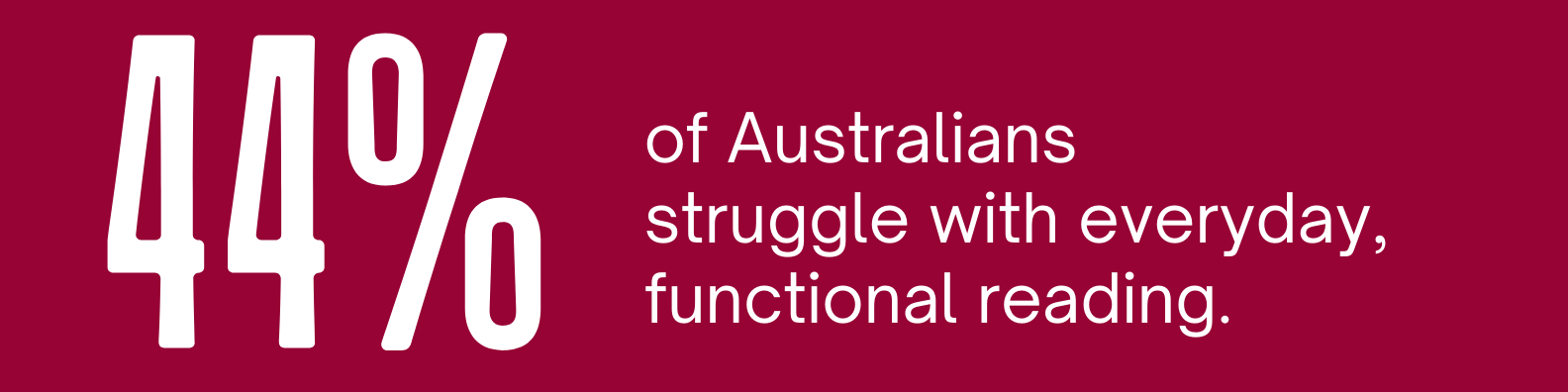
Nearly half the Australian population is unable to read at a high school level...
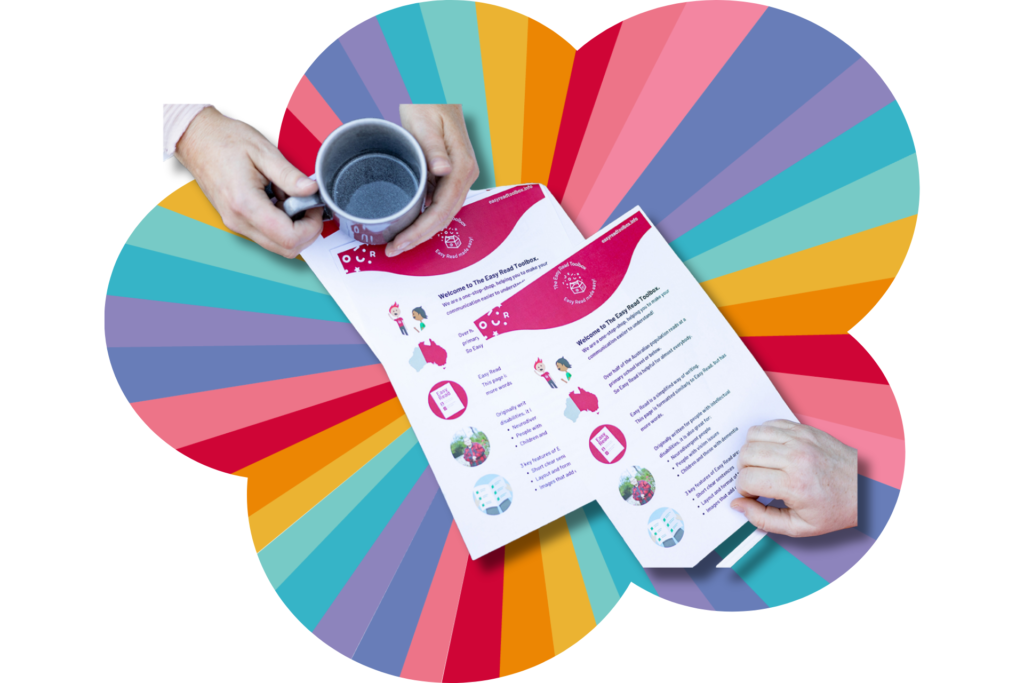
Easy Read is a form of writing that makes life easier for them!
Originally developed for people with intellectual disability, it is also perfect for anyone else who finds reading challenging, or is time limited, including:
- people with cognitive disabilities
- neurodivergent people
- people from other cultures, who don’t have English as a first language
- people with dementia
- people in the criminal justice system
- people experiencing a short-term illness or stressful situations
- children (though Easy Read is generally for adults)
- people who want to save time or get to the point.
Why use it?
Whatever product or service you deliver – whether you’re in health, finance, research, sales, sport or policy… your messaging will benefit from using Easy Read principles!
Your readers need to understand what you’re communicating in order to:
- Engage
- Participate
- Make informed decisions
- Comply and follow instructions and policy
- Have trust and confidence in you
- Have better outcomes
- Feel valued.
When nearly half of the Australian population finds reading difficult, it’s not just clients and customers you should be thinking of. Your team and partners are just as likely to have difficulties reading documents, including policies and procedures, instructions, legal documents, reports and forms.
How to get started!
You can start with one thing at a time!
Check out our tips below and use these Easy Read principles in everything you write – even when it’s not Easy Read.
If you want to learn more about using Easy Read there are lots of ways to do it.
You can look into learning Easy Read through:
- Workshops in person or online
- The Easy Read Toolbox membership self-paced learning
If you don’t have the time to learn Easy Read, why not consider using AI to convert your information?
You can also consider using a custom writing service – check out the Easy Read Directory Australia website for more information.
If you get really into Easy Read, consider participating in the free International Easy Read Community of Practice!
“I was just reading the DFAT Easy Read doc, I enjoyed it!
Funny actually, it was actually really engaging even though the base document wasn’t anything exciting.
I didn’t feel the need to skip any bits as I usually do.
– Australian Public Servant
8 Tips to get started
2. Include a summary of the main points at the start or end of each section.
3. Use headings, bullet points and lists.
4. Use sans serif fonts like Arial, Calibri, Verdana, rather than serif fonts like Times New Roman.
5. Avoid underlining, italics and all caps.
6. Use a larger line spacing – try 1.25 – and leave plenty of white space.
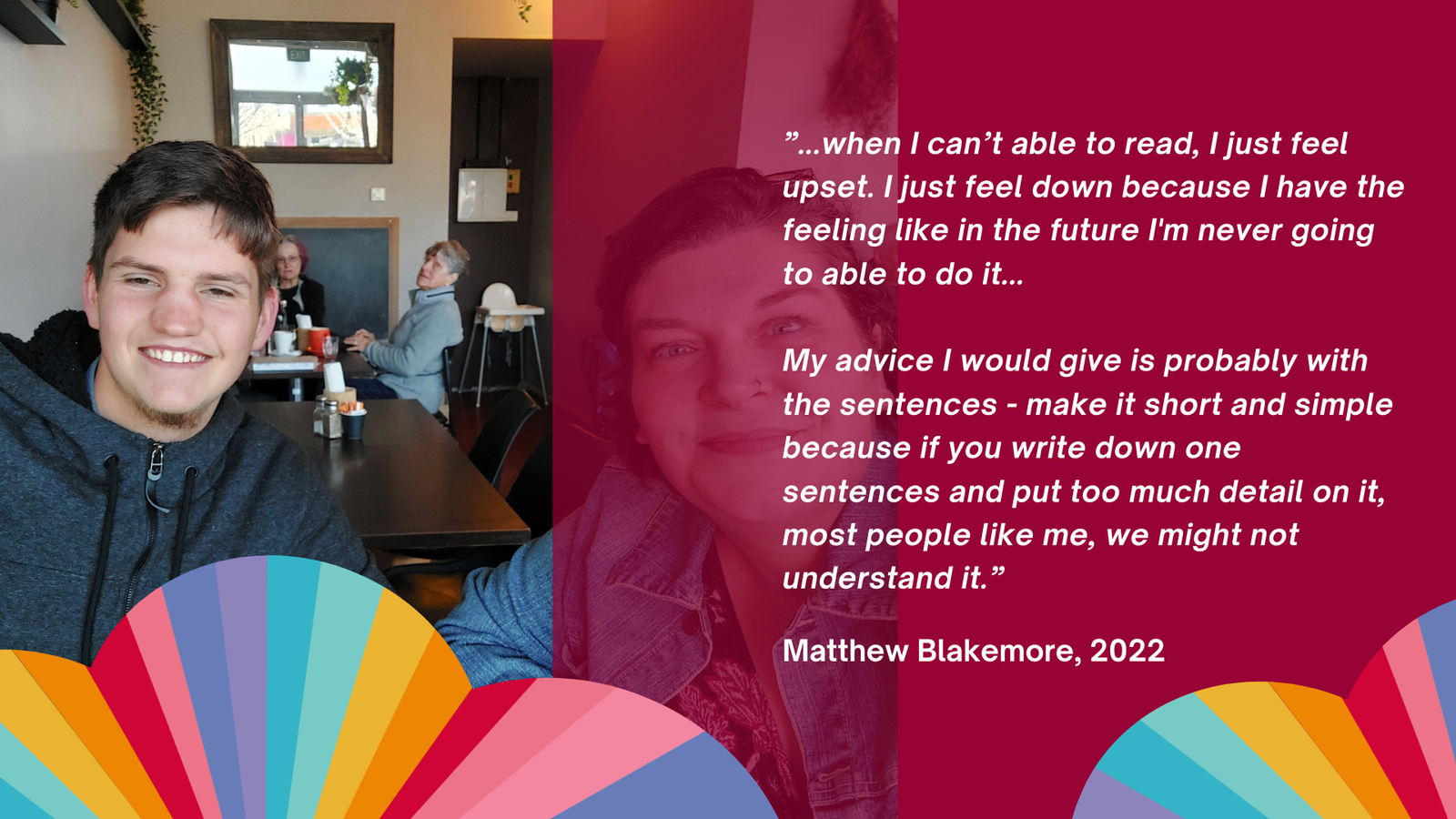
7. Keep sentences short and simple.
8. Include alt text or an image description for images.

Who’s behind Simple Words Big Impact?
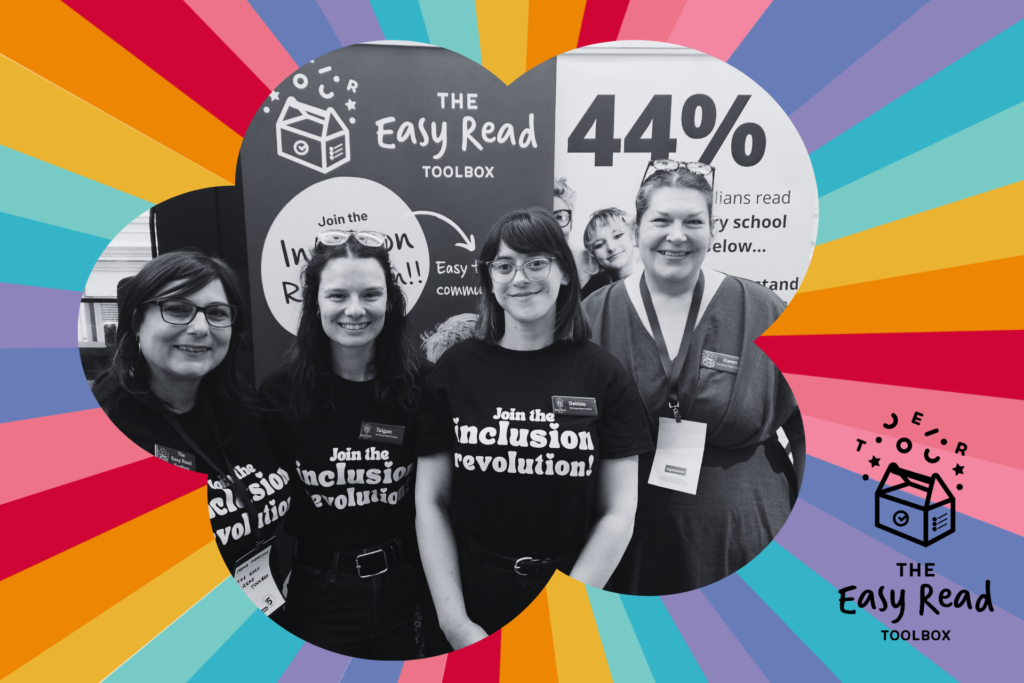
The Easy Read Toolbox team is passionate about increasing the use of Easy Read. This helps more people to have autonomy over their lives, and makes decisions for themselves.
We wanted to create a site just to raise awareness of Easy Read so that more community members know about it!
You can contact us about this site by emailing us at admin@easyreadtoolbox.info
Read more about why Easy Read is so important
“Accessible information and communications are vital for people with disability to live the lives they want and access the services they need.”
– From the Disability Royal Commission: Final Report – Volume 6, Enabling autonomy and access.
Accessible information and communications are a critical safeguard against violence, abuse, neglect and exploitation.
They are necessary for people with disability to exercise autonomy.
– From the Disability Royal Commission: Final Report – Volume 6, Enabling autonomy and access.